
Metabolic Regulation. Researched at the Receptor Level.
The Metabolic Regulation System encompasses the molecular and endocrine architecture through which organisms maintain energy balance, regulate glucose and lipid homeostasis, and adapt to nutritional states. At its center is a network of hormone receptors, intracellular signaling cascades, and transcriptional programs whose dysregulation underlies conditions that represent some of the most significant subjects of contemporary biomedical research — including type 2 diabetes, obesity, and metabolic-associated steatotic liver disease. Research in this field has progressed rapidly in recent years, driven in part by the discovery and development of incretin-based compounds that illuminate the mechanisms by which the gut-pancreatic-brain axis regulates satiety, insulin secretion, and energy expenditure.


Four research dimensions
The compounds in this system are investigated through four primary mechanistic frameworks. Each represents a distinct entry point into Metabolic Regulation System.

Research Compounds in This System
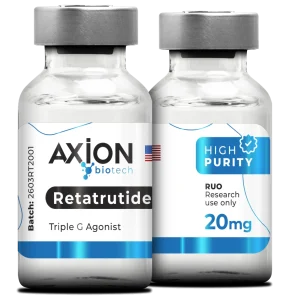
Triple receptor agonist under Phase 3 investigation (TRIUMPH program). The addition of glucagon receptor co-activation introduces energy expenditure and hepatic fat mobilization
View Product
Key Research Pathways
- GLP-1R / GIPR / GCGR signaling — incretin axis and glycemic regulation
- cAMP / PKA pathway — signal transduction at incretin receptors
- Insulin / IGF-1 receptor signaling — glucose homeostasis and insulin sensitivity
- PPARγ / SREBP1 — adipocyte differentiation and lipogenesis
- Beta-3 adrenergic receptor / cAMP-driven lipolysis — lipid mobilization in adipose tissue
- NNMT / SAM / NAD+ axis — methylation metabolism and cellular energy regulation
- SIRT1 / AMPK / PGC-1α — interface between energy metabolism and mitochondrial biogenesis
- Hypothalamic energy sensing — central appetite and energy expenditure regulation

Explore the Science Behind This System
The Research Library provides in-depth editorial coverage of the mechanisms, evidence, and investigative directions relevant to this system. Each article connects to one or more related compounds in the AXION catalog.
All compounds listed in this system are classified as Research Use Only (RUO). They are not approved for therapeutic, diagnostic, or clinical use in humans or animals. AXION does not make therapeutic claims of any kind. Access to compounds is available through AXION's structured access model.