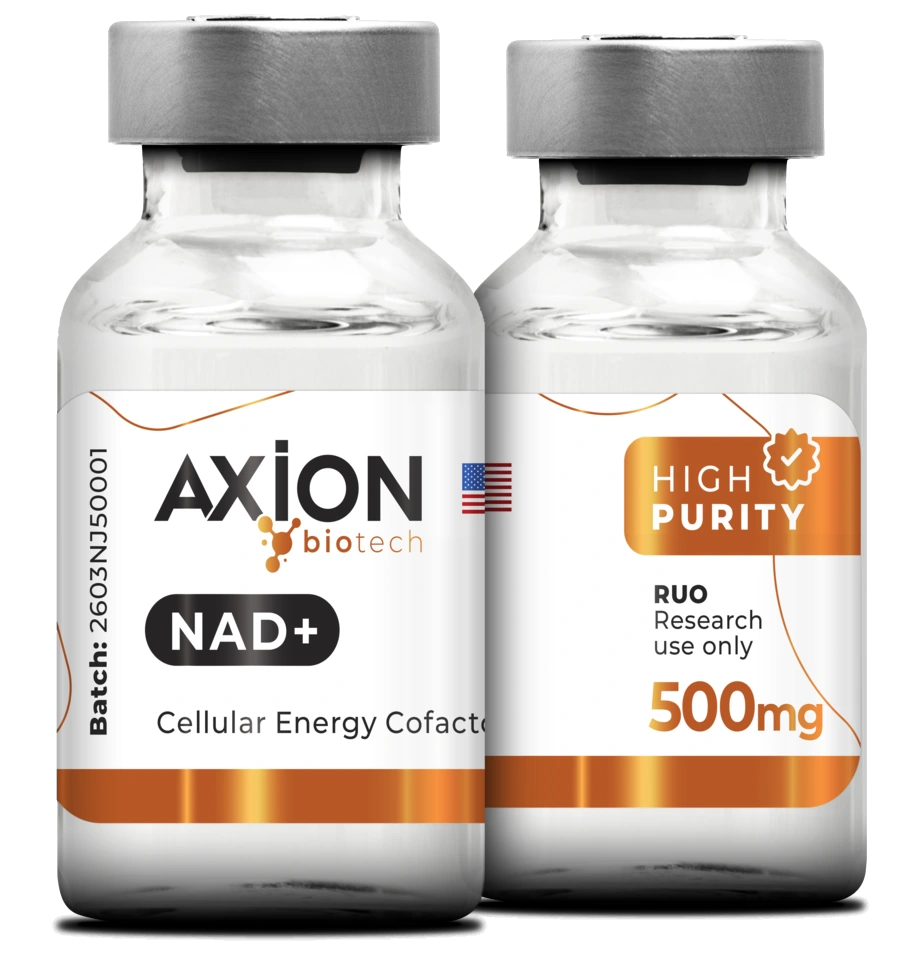
NAD+
-
SystemMitochondrial Energy System
-
TypeEndogenous coenzyme — dinucleotide (non-peptide)
-
CAS53-84-9
-
FormulaC₂₁H₂₇N₇O₁₄P₂
-
Mol. weight663.43 Da
-
FormLyophilized powder
-
Purity≥99% by HPLC
-
StatusActive

NAD+ Overview
NAD+ (Nicotinamide Adenine Dinucleotide) is an endogenous coenzyme present in every living cell, functioning as the central carrier of electrons in cellular energy metabolism. As a member of AXION’s Mitochondrial Energy System, it occupies a distinctive position in the research compound catalog: unlike the peptides in this system, NAD+ is a dinucleotide, a molecule formed by two nucleotides, whose biological relevance spans far beyond a single enzymatic reaction.
In its primary role, NAD+ accepts electrons during glycolysis, the tricarboxylic acid (TCA) cycle, and beta-oxidation, becoming NADH. The NADH then donates those electrons to Complex I of the mitochondrial electron transport chain, driving oxidative phosphorylation and ATP synthesis. Beyond this redox function, NAD+ serves as a consumed substrate for two major enzyme families: sirtuins (SIRT1-7), deacylases that regulate gene expression, mitochondrial biogenesis, and DNA repair, and PARPs (Poly(ADP-ribose) Polymerases), which consume NAD+ in response to DNA damage. The NAD+/NADH ratio is investigated as a fundamental parameter of mitochondrial energy status.
Research interest in NAD+ expanded significantly from 2013 onward, following studies associating age-related declines in NAD+ levels with multiple hallmarks of cellular aging. The published literature includes both extensive preclinical work in animal models and a growing body of Phase I/II clinical trials, predominantly using oral NAD+ precursors (NR and NMN) rather than NAD+ as an isolated compound. AXION supplies NAD+ as a research-grade (RUO) lyophilized compound for investigation of the mitochondrial energy system.


NAD+ Research Directions
The published literature on NAD+ spans decades of molecular biology, metabolic research, and aging science. Below is an overview of the principal research areas documented in preclinical and clinical studies.
- Mitochondrial electron transport and energy metabolism — NAD+/NADH redox dynamics in oxidative phosphorylation, ATP synthesis efficiency, and mitochondrial membrane potential in cellular models
- Age-related NAD+ decline — documentation of 10–80% reductions in NAD+ levels in tissues from aged vs. young subjects across murine and selected human studies; mechanisms including increased CD38 activity, PARP hyperactivation, and reduced NAMPT expression
- Sirtuin activation axis (SIRT1–7) — NAD+ as rate-limiting substrate for sirtuin-mediated deacylation; downstream regulation of PGC-1α (mitochondrial biogenesis), FOXO (stress resistance), p53 (apoptotic regulation), and NF-κB (inflammatory signaling)
- DNA repair and PARP competition — investigation of the “NAD+ budget”: competition between sirtuins and PARP for available NAD+; PARP hyperactivation as driver of NAD+ depletion in models of genomic instability
- Cellular senescence and SASP modulation — relationship between NAD+ availability, senescent cell accumulation, and the senescence-associated secretory phenotype in aging tissue models
- Metabolic disease models — investigation in high-fat diet-induced obesity, insulin resistance, and hepatic lipid metabolism in rodent models
- Neuroprotection contexts — neurodegenerative disease models (Alzheimer’s, Parkinson’s), ischemia/reperfusion injury, and mitochondrial function in neuronal cell cultures
- NAD+ precursor research (NR, NMN) — Phase I/II clinical trials investigating oral precursors for biochemical engagement (circulating NAD+ elevation) in middle-aged and elderly adults; context for positioning RUO NAD+ compound research
NAD+ accepts electrons (H⁻) during glycolysis, TCA cycle, and beta-oxidation, becoming NADH. NADH donates electrons to Complex I of the mitochondrial respiratory chain, driving ATP synthesis via oxidative phosphorylation. The NAD+/NADH ratio is investigated as a key parameter of mitochondrial energy status.
SIRT1 (nuclear sirtuin) deacetylates PGC-1α, activating the master regulator of mitochondrial biogenesis. This pathway is rate-limited by NAD+ availability: as NAD+ declines, SIRT1 activity falls proportionally. Investigated in models of aging, metabolic disease, and mitochondrial dysfunction.
SIRT3 (mitochondrial sirtuin) activates MnSOD (manganese superoxide dismutase), Complex I subunits, and other metabolic enzymes through deacetylation. Investigated in contexts of oxidative stress and mitochondrial homeostasis.
SIRT6 regulates telomere integrity, double-strand break repair, and glucose metabolism. NAD+ dependency connects genome stability research with mitochondrial energy biology. Relevant to Epithalon co-research context.
PARPs consume NAD+ as substrate to add ADP-ribose units to proteins at sites of DNA damage. Chronic PARP hyperactivation (as in aged tissue models) depletes cellular NAD+, impairing sirtuin function — the “NAD+ budget” competition investigated in aging models.
CD38 ectoenzyme degrades NAD+ and its precursors. Studies in aging models document increased CD38 activity as a primary driver of age-related NAD+ decline. CD38 inhibition represents an alternative research target for maintaining NAD+ homeostasis.
The salvage pathway, rate-limited by NAMPT (nicotinamide phosphoribosyltransferase), is the primary route for NAD+ maintenance in mammalian cells. Converts nicotinamide back to NMN, then to NAD+. Investigated as intervention target in aging and metabolic models.

NAD+ Quality & Traceability
Every AXION compound is subject to analytical verification before release. Purity and traceability are not marketing attributes — they are part of the integrity of the research itself.
-
Certificate of Analysis
Available per lot on request.
-
Lot Traceability
Each vial carries a unique lot number linked to its full analytical record.
-
QR Verification
QR code on packaging links directly to the COA for that specific lot.
-
HPLC Verified
≥99% purity per lot. Verified by HPLC + LC-MS (identity confirmation).
-
Endotoxin Control
Not detected. Verified per lot for research-grade applications.
-
TFA
Not detected — confirmed by LC-MS.
-
Sterility
Sterile-filtered; confirmed for research applications.
Learn more about our verification process: Quality & Testing

Related Compounds Compounds in the Mitochondrial Energy System
All compounds below belong to the same biological system as NAD+. Each is supplied as an RUO research compound.
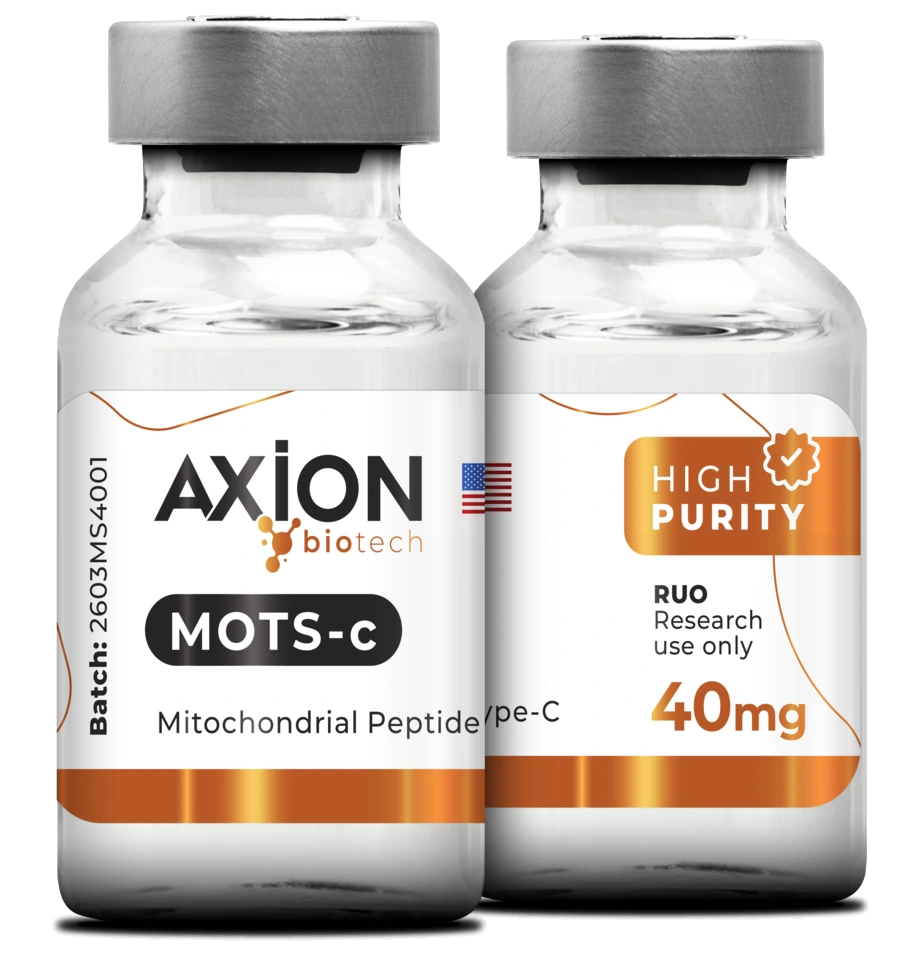
MOTS-c
MOTS-c (Mitochondrial Open Reading Frame of the 12S rRNA Type-C) is a 16-amino acid peptide encoded not by the nuclear genome, but by the mitochondrial genome, specifically within the 12S…
View molecule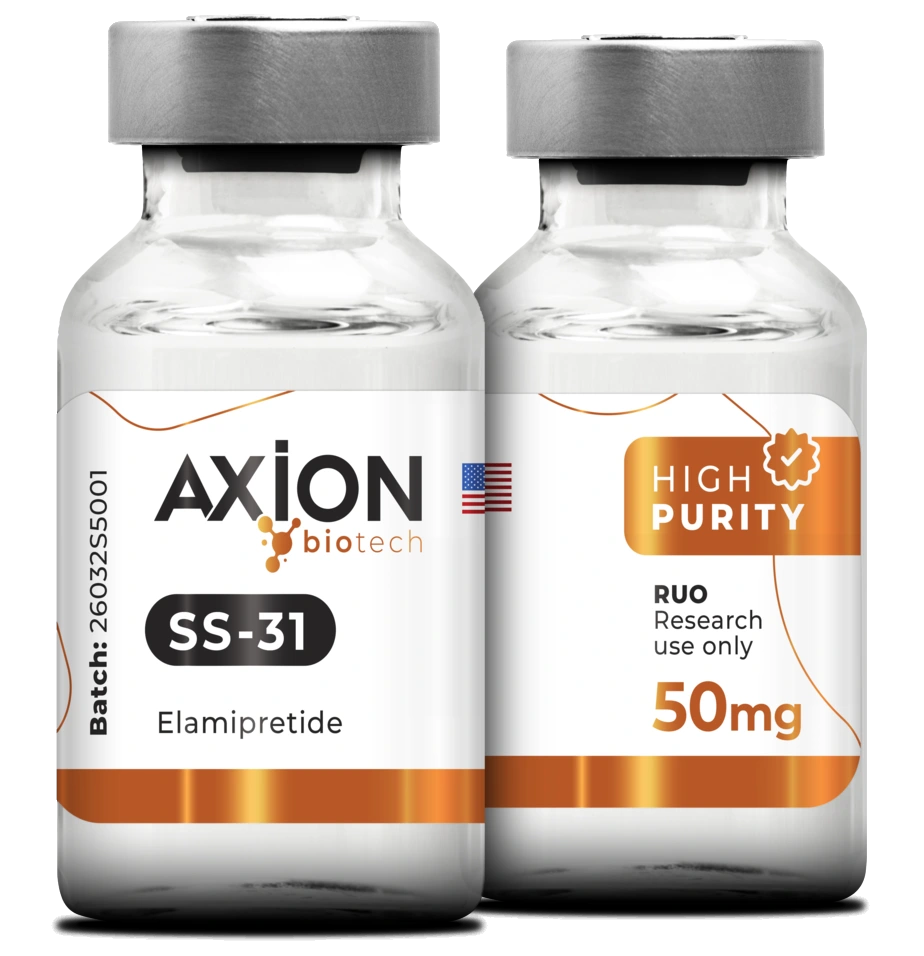
SS-31 (Elamipretide)
SS-31 is a synthetic tetrapeptide belonging to the Szeto-Schiller class, a family of aromatic-cationic peptides developed for their intrinsic mitochondrial selectivity. Also known as Elamipretide or MTP-131, the compound is…
View molecule
Related Articles - Research Library Explore the Science Behind This System
The Research Library provides in-depth editorial coverage of the mechanisms, evidence, and investigative directions relevant to this system. Each article connects to one or more related compounds in the AXION catalog.
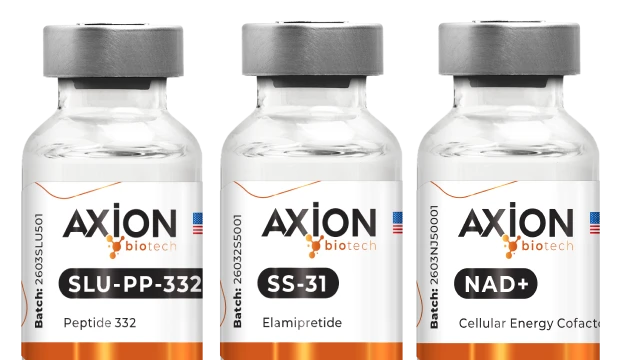
NAD+ is supplied by AXION Biotech exclusively for research purposes. This compound is not approved by the FDA, ANVISA, or any regulatory agency for human or veterinary use. No therapeutic claims are made or implied. All scientific data referenced on this page derives from preclinical (animal / in vitro) models or from clinical studies using NAD+ precursors (NR, NMN) unless explicitly stated otherwise. Data from precursor studies should not be directly extrapolated to RUO NAD+ compound research without scientific qualification.