Research Library

Somewhere between your twenties and your sixties, your body quietly reduces its production of a molecule that science believes sits at the center of your capacity to regenerate. This molecule has three amino acids. And almost no one knows its name.
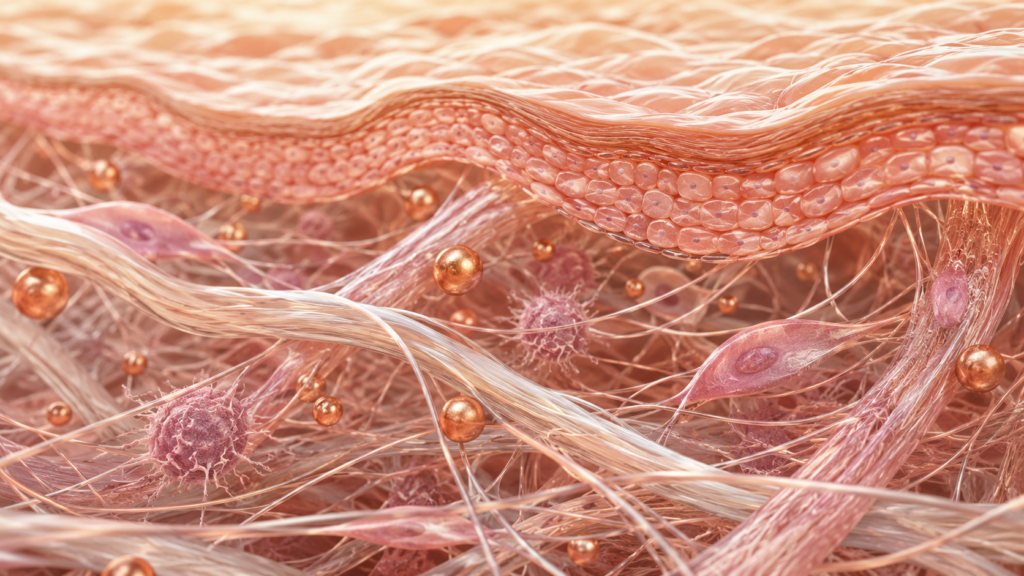
The Copper That Builds, how an ancient mineral and three amino acids became an object of research in tissue regeneration
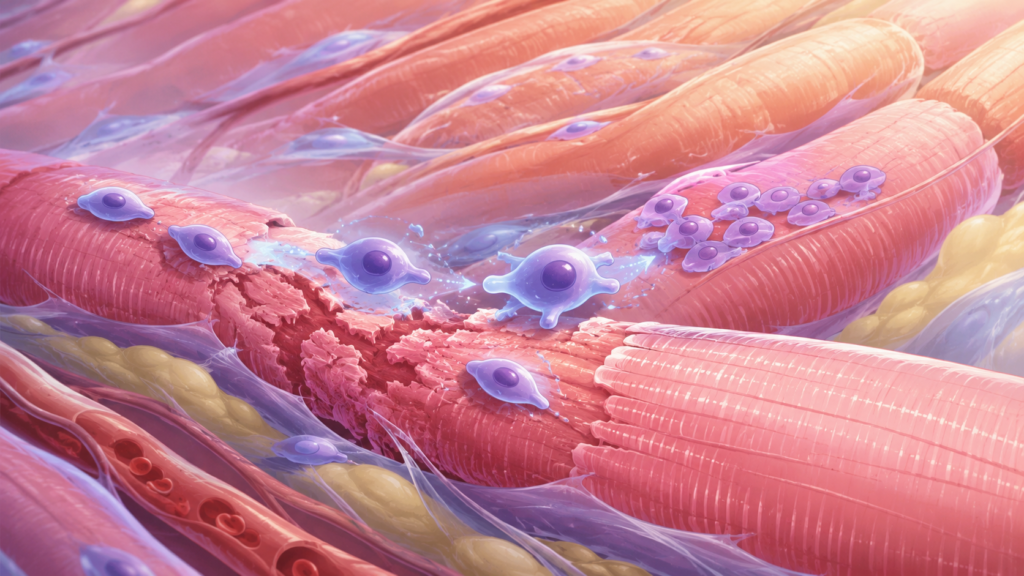
The Sleeping Cells That May Change What We Understand About Muscle Growth
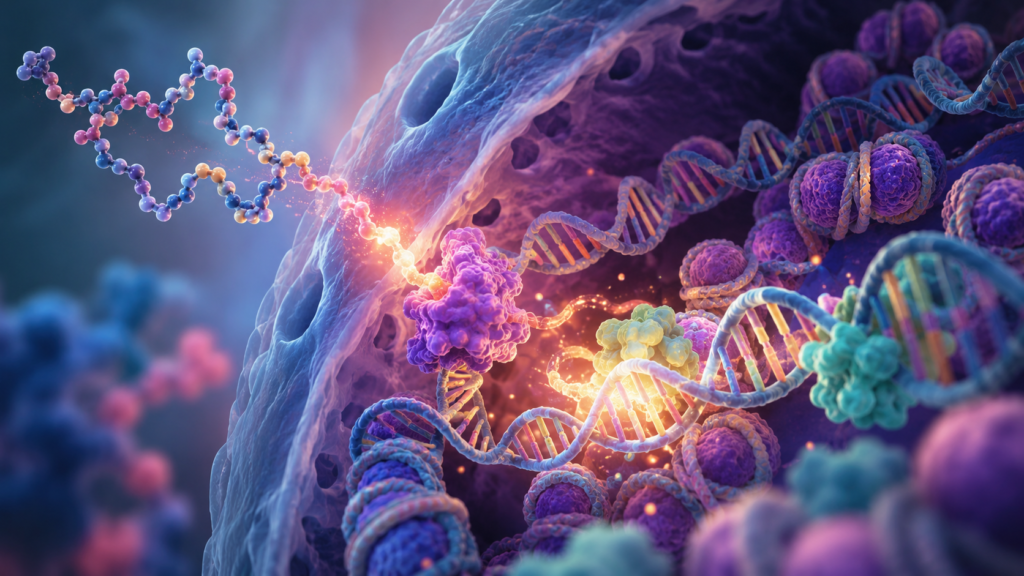
The Surprised Genome, when MIT researchers pointed a three-amino acid molecule at the human genome, the result surprised everyone, including them
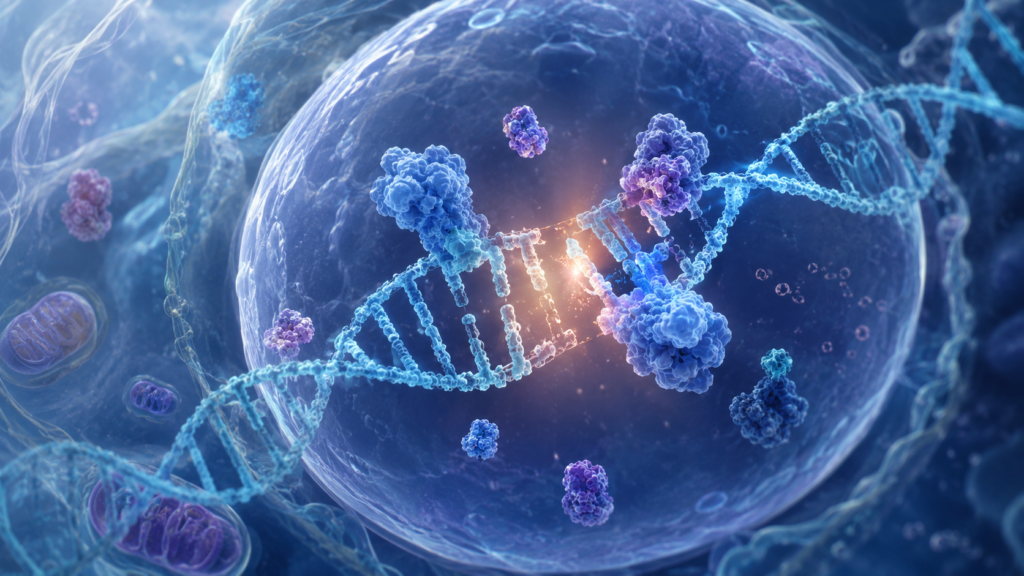
The Guardians of the Genome Need Permission to Act, and NAD+ Is the Key
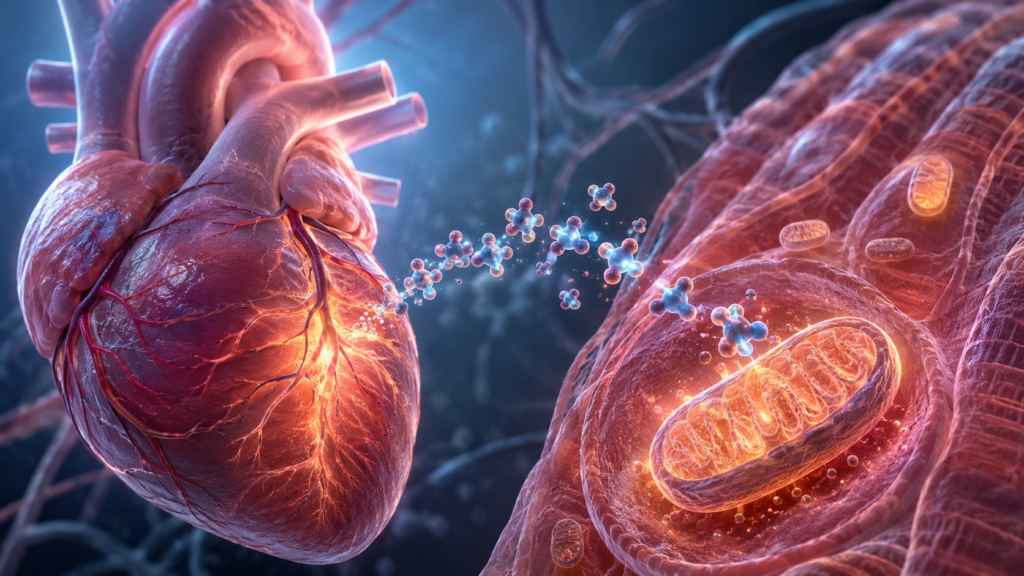
How a synthetic tetrapeptide traveled through decades of science and reached Phase III clinical trials for one of the most difficult heart conditions to treat, and what that reveals about the future of mitochondrial research.

It was the late 1970s. The Cold War was at its peak. While the two superpowers competed for space and for nuclear arsenals, a group of scientists at the Russian Academy of Sciences worked on an apparently very different problem: how to enhance the cognitive function of military pilots and cosmonauts under extreme stress conditions.

There is a protein in your brain that decides what you will remember. It is not a neurotransmitter. It is not a hormone. It is a protein called BDNF, Brain-Derived Neurotrophic Factor. And over the past twenty years, it has become one of the objects of desire of modern neuroscience.
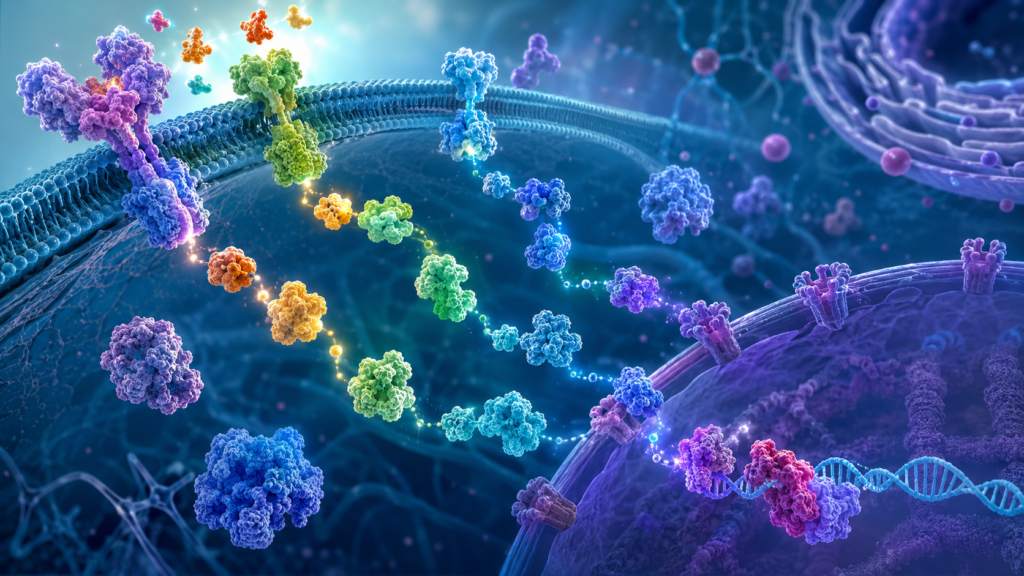
At the heart of cell-growth biology there is a sequence of proteins that activate in a chain. Understanding that cascade, and how to manipulate it experimentally, is one of the most active frontiers of modern biochemistry.
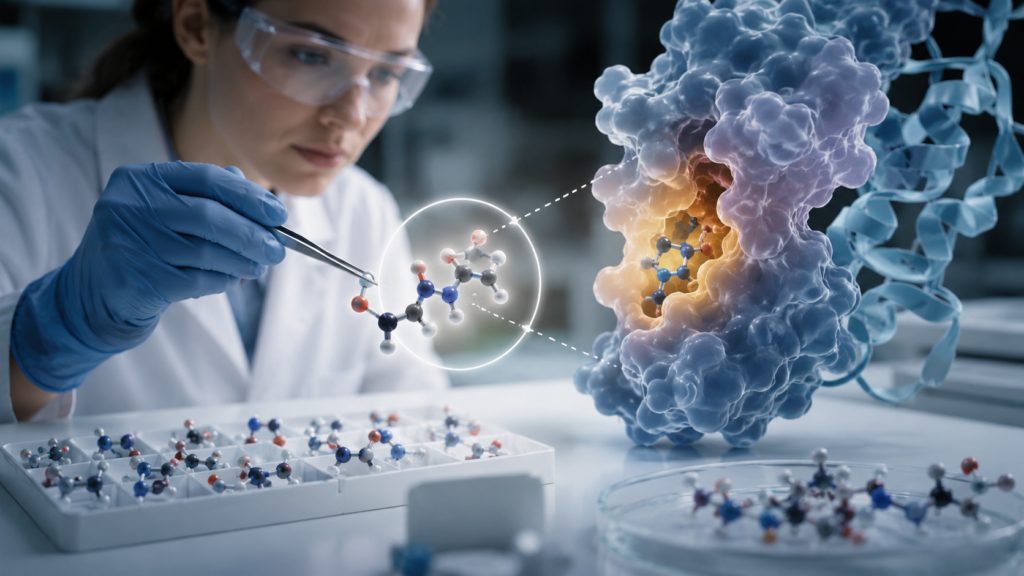
Regenerative System • TB-500 • Translational Research • Fragment Biology

Scientists discovered that physical exercise triggers the production of a molecule called MOTS-c directly within the mitochondria. Now, researchers are investigating what happens when that signal is amplified, or when it fades with age.

How scientists redesigned one of the body’s own molecules, four letters at a time, to create one of the most studied tools in longevity research.
Warning: Array to string conversion in /home/u590619425/domains/axionbiotechnology.com/public_html/wp-includes/general-template.php on line 185

Biblioteca Pesquisar nos arquivos
Newsletter
Subscribe to our newsletter and stay up to date with the latest news. It's quick, free, and you can unsubscribe whenever you want.