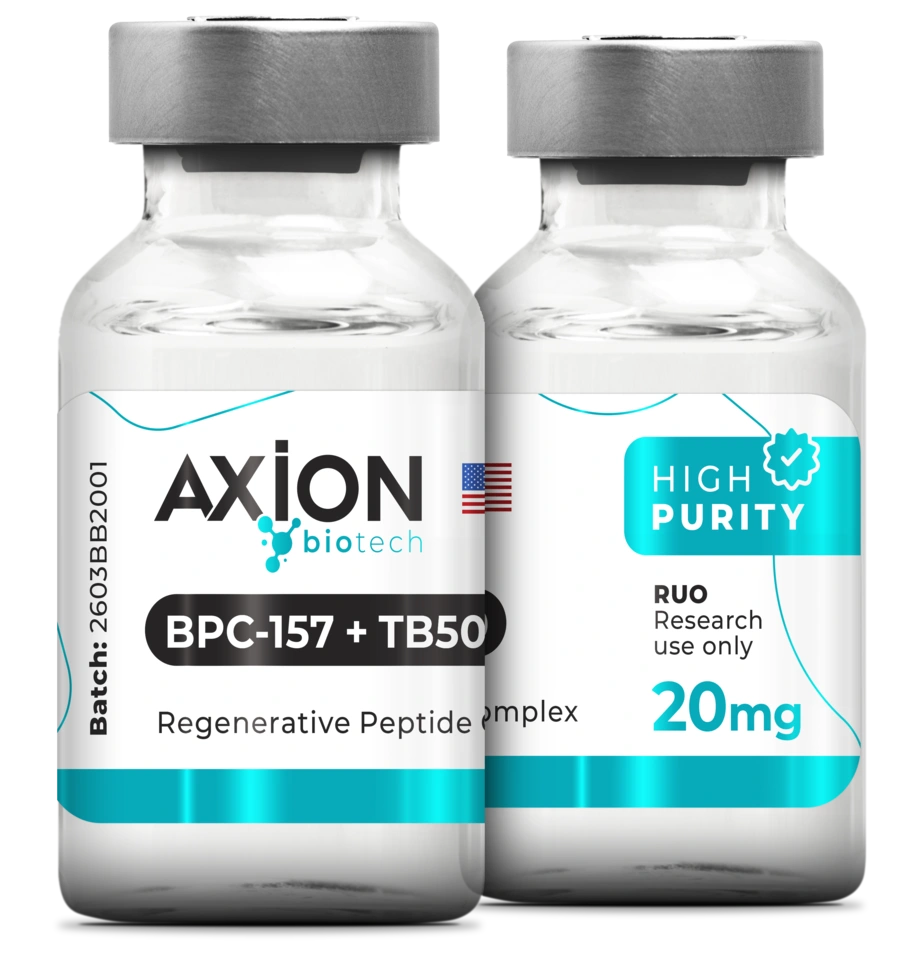
BPC + TB Blend
Access to the catalog is structured — not open by default.
-
SystemRegenerative System
-
TypeTwo-peptide blend
-
ComponentsBPC-157 │ TB-500
-
FormLyophilized vial
-
Purity>98% per component by HPLC
-
StatusActive
-
Blend studiesNot available in current indexed literature

BPC + TB Blend Overview
The regenerative cascade is not a single event. It unfolds in phases, and each phase has distinct limiting factors. The BPC + TB Blend is built on this observation: two compounds, two mechanistically distinct points of entry, one research framework.
BPC-157 is investigated for its activity at the level of molecular signaling in damaged tissue: VEGFR2/eNOS vascular axis activation, fibroblast migration via FAK-paxillin phosphorylation, and pleiotropic downstream engagement of repair-associated transcription factors. In over 130 peer-reviewed publications, its primary research context is the signaling environment that initiates and sustains the repair response.
TB-500 is investigated for a different entry point: actin dynamics and cell motility. Through sequestration of G-actin and downstream MRTF-A nuclear translocation, TB-500 is studied in the context of how repair cells move toward and reorganize the site of injury. Its mechanism is not a repetition of BPC-157’s. It is the next step.

BPC + TB Blend Research Directions
Organized by compound — each body of evidence belongs to the individual peptide, not to the blend as a unit.
- BPC-157:
– Musculoskeletal repair — tendon, ligament, muscle, and bone physiology in rodent preparations;
– Vascular function and angiogenesis — VEGFR2/eNOS axis, vasomotor tone, ischemia/reperfusion contexts;
– Gastrointestinal and mucosal protection — ulcer, colitis, fistula, and NSAID-induced mucosal damage models;
– Tendon fibroblast migration — FAK-paxillin phosphorylation and ECM remodeling;
– Neuroprotection and CNS modulation — spinal cord injury models, dopaminergic and serotonergic interactions;
– GH receptor potentiation — GHR upregulation in fibroblast models via JAK2 phosphorylation; - TB-500
– Cell migration — G-actin binding, MRTF-A nuclear translocation, SRF-dependent transcription;
– Musculoskeletal repair — tendon, muscle, and connective tissue models;
– Angiogenesis — endothelial cell migration and vascular tube formation via actin-dependent mechanisms;
– Anti-inflammatory signaling — downregulation of inflammatory mediators in injury models;
– Cardiac and vascular tissue — investigated in myocardial and vascular repair models;
– Wound healing — keratinocyte migration and dermal repair models;
VEGFR2 / eNOS / FAK-paxillin / ERK1/2 — vascular signaling and fibroblast activation
G-actin / MRTF-A / SRF — cytoskeletal dynamics and directional cell migration
None identified between primary mechanisms
Sequential or parallel engagement of signaling (BPC-157) and motility (TB-500) entry points within the repair cascade
Individual compound literature: extensive (130+ publications BPC-157; documented cardiac, vascular, musculoskeletal models TB-500). Combined: no dedicated published study as of April 2026

BPC + TB Blend Quality & Traceability
Every AXION compound is subject to analytical verification before release. Purity and traceability are not marketing attributes — they are part of the integrity of the research itself.
-
Certificate of Analysis
Available per lot on request. Issued per component.
-
Lot Traceability
Each vial carries a unique lot number.
-
QR Verification
QR code links to the COA for that specific lot.
-
HPLC Verified
>98% purity per component per lot.
-
Blend composition
Component ratios available in Product Access upon authorization.
Learn more about our verification process: Quality & Testing

Related Compounds Compounds in the Regenerative System
All compounds below belong to the same biological system as BPC + TB Blend. Each is supplied as an RUO research compound.
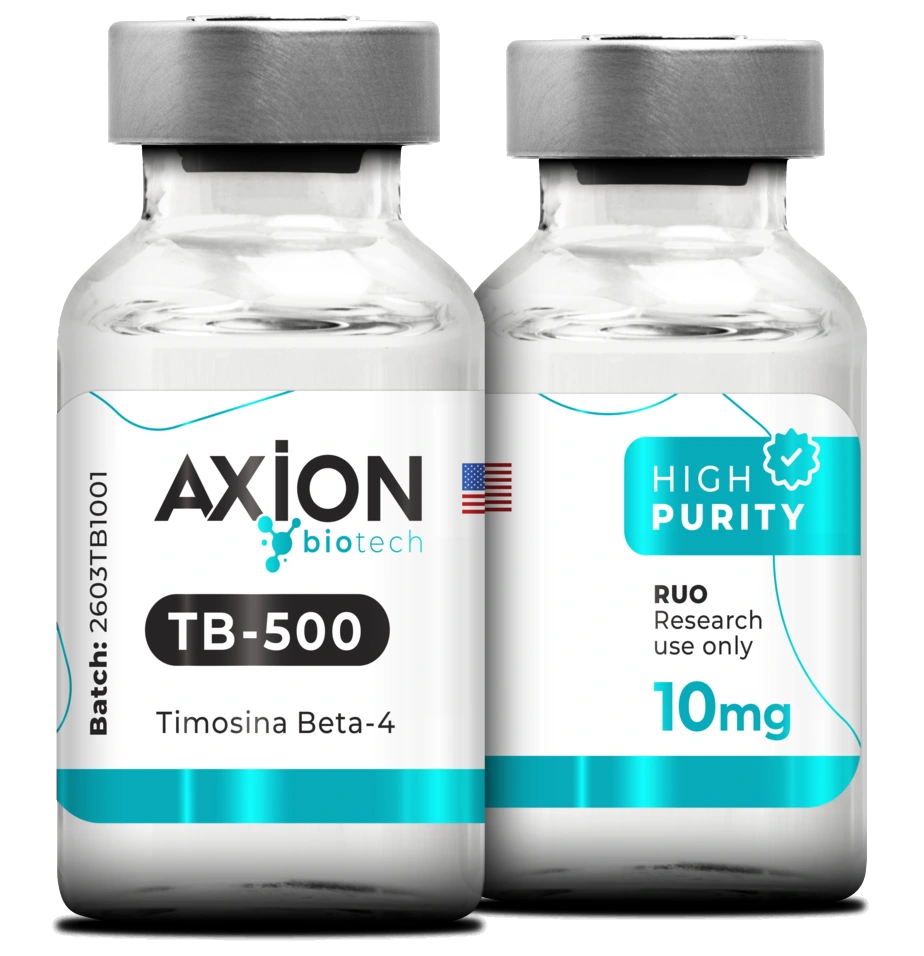
TB-500
TB-500 is a synthetic heptapeptide corresponding to positions 17-23 of Thymosin Beta-4, a naturally occurring protein encoded by the TMSB4X gene and found in virtually all nucleated mammalian cells. As…
View molecule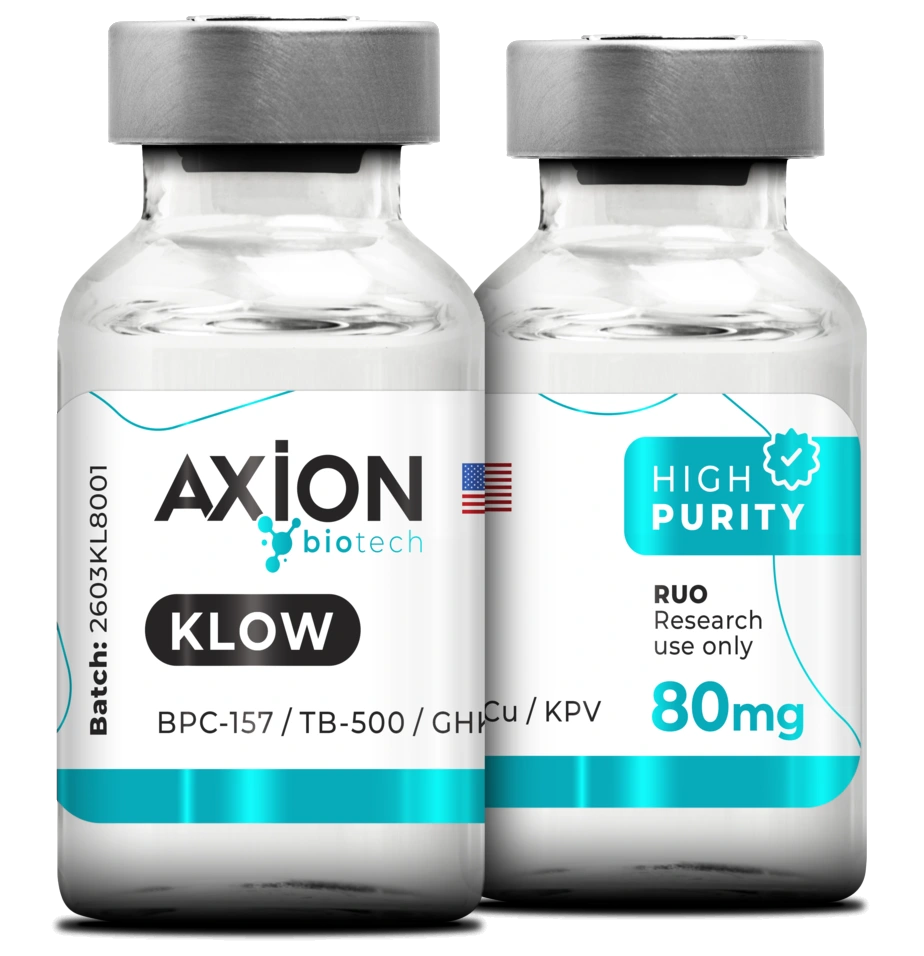
KLOW Blend
The KLOW Blend is a four-component research formulation within AXION's Regenerative System. It is not a supplement and not a protocol. It is a research design decision: a single vial…
View molecule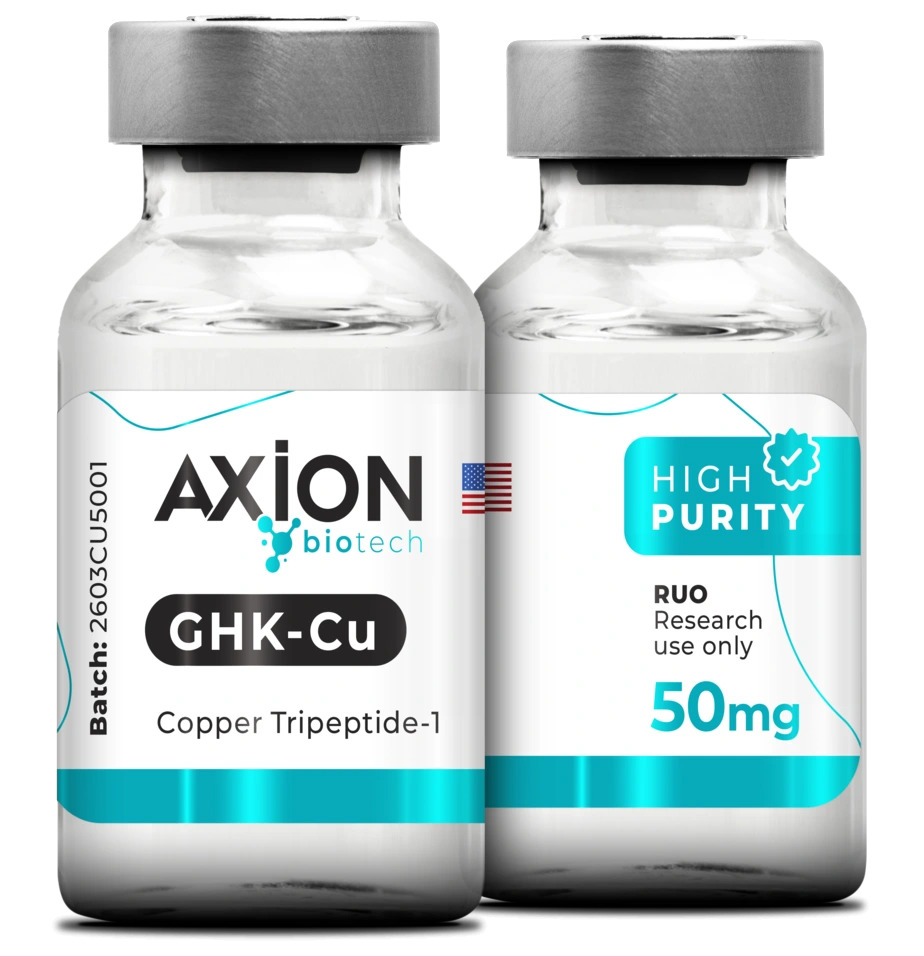
GHK-Cu
GHK-Cu is a naturally occurring human tripeptide first isolated from blood plasma by researcher Loren Pickart in 1973 at the University of California, San Francisco. Consisting of three amino acids,…
View molecule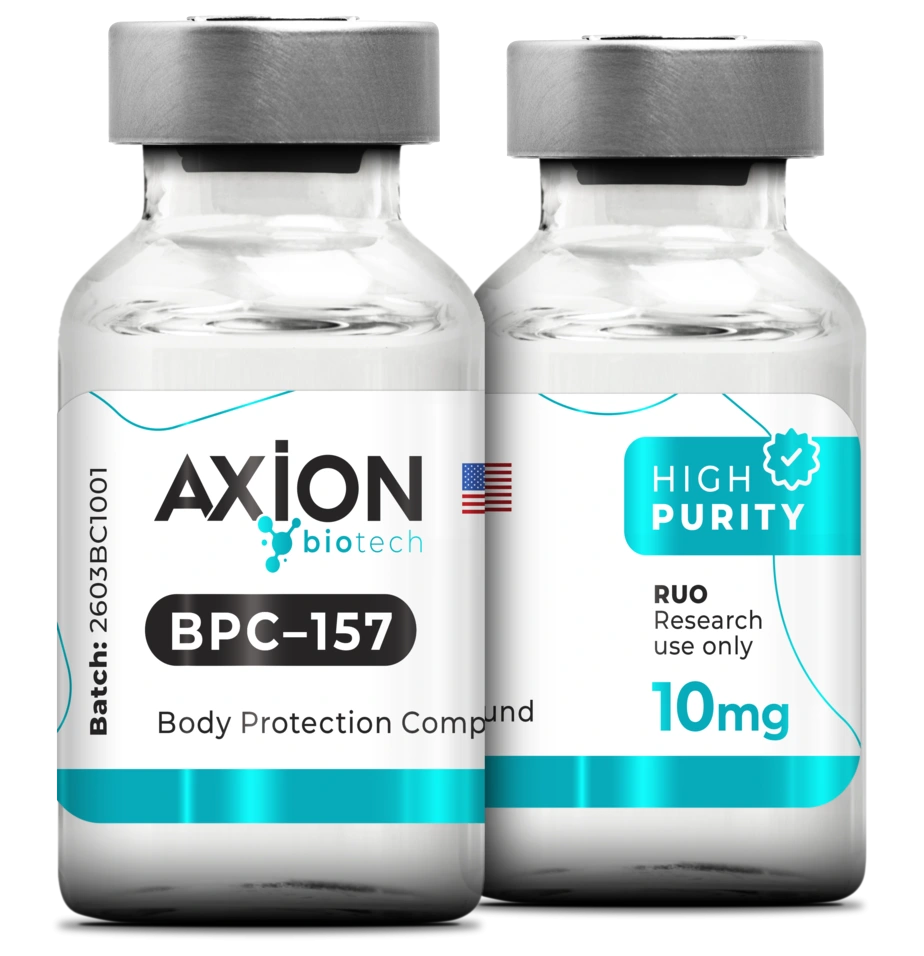
BPC-157
BPC-157 is a synthetic pentadecapeptide derived from a sequence found in human gastric juice. Composed of 15 amino acids, it belongs to AXION's Regenerative System, a research compound cluster organized…
View molecule
Related Articles - Research Library Explore the Science Behind This System
The Research Library provides in-depth editorial coverage of the mechanisms, evidence, and investigative directions relevant to this system. Each article connects to one or more related compounds in the AXION catalog.
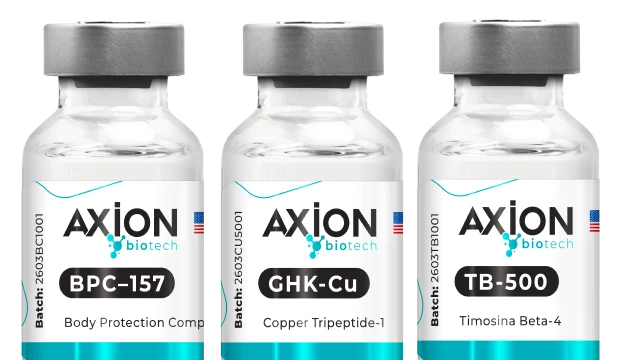
The BPC + TB Blend is supplied by AXION Biotech exclusively for research purposes. Neither component is approved by the FDA, ANVISA, or any regulatory agency for human or veterinary use. No therapeutic claims are made or implied.