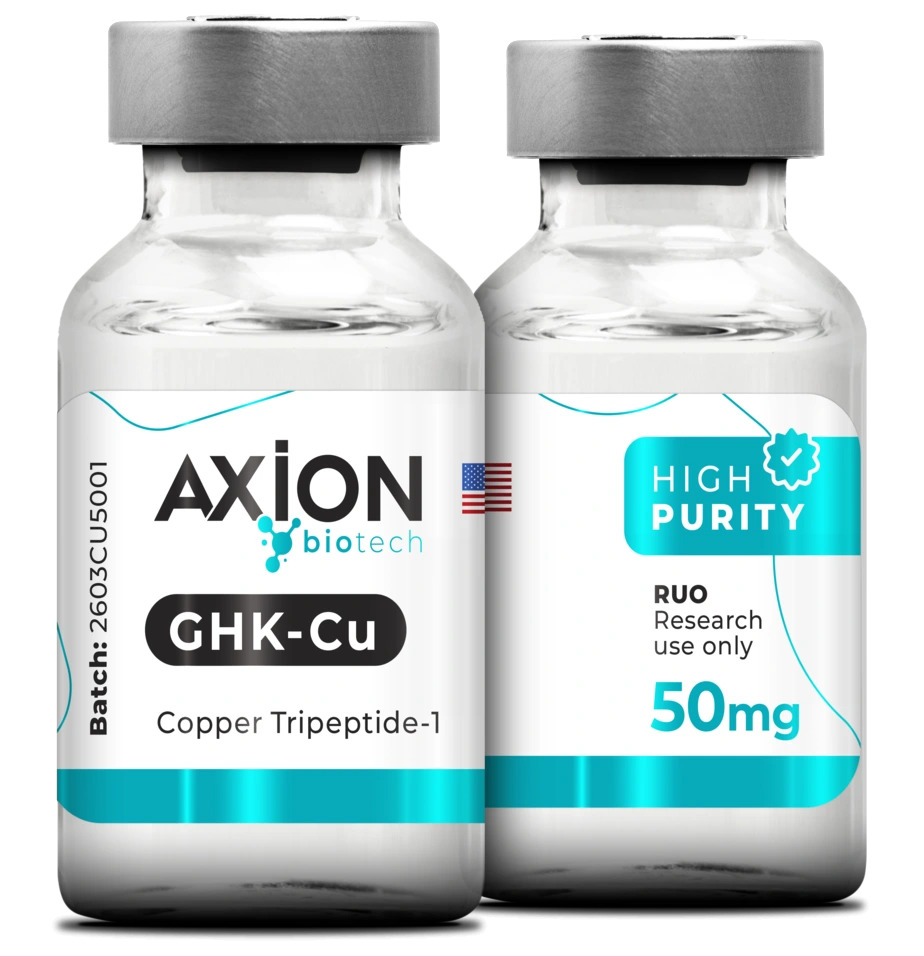
GHK-Cu
-
SystemRegenerative System
-
TypeSynthetic tripeptide — metal-peptide complex (Cu²⁺)
-
CAS49557-75-7 / 89030-95-5 (acetate salt)
-
FormulaC₁₄H₂₄CuN₆O₄
-
Mol. weight403.9 Da
-
FormLyophilized vial (blue-tinted powder, characteristic of Cu²⁺ complex)
-
Purity>98–99% by HPLC
-
StatusActive

GHK-Cu Overview
GHK-Cu is a naturally occurring human tripeptide first isolated from blood plasma by researcher Loren Pickart in 1973 at the University of California, San Francisco. Consisting of three amino acids, glycine, histidine, and lysine, in complex with a copper (II) ion (Cu²⁺), the molecule is found endogenously in human plasma, saliva, and urine. It belongs to AXION’s Regenerative System, a compound cluster organized around research into tissue integrity, extracellular matrix remodeling, and cellular repair signaling.
Among the distinctive aspects of GHK-Cu in the research literature is its documented decline with age: plasma concentrations are estimated at approximately 200 ng/mL in individuals aged 20-25, falling to approximately 80 ng/mL by age 60. This progressive decline coincides with well-characterized reductions in tissue regenerative capacity, a correlation extensively explored in published studies as a basis for investigating the molecule’s biological significance.
In preclinical and in vitro models, GHK-Cu is investigated for its dual mechanism: as a bioavailable transporter of copper (II) ions, essential cofactor of enzymes including lysyl oxidase, superoxide dismutase, and cytochrome c oxidase, and, at the genomic level, as a pleiotropic modulator of gene expression. Connectivity Map analyses from the Broad Institute (MIT/Harvard) indicate that GHK-Cu, at a physiological concentration of approximately 1 μM, may influence the expression of a broad range of human genes. The precise functional significance of this genomic profile remains under active investigation.

GHK-Cu Research Directions
The published literature on GHK-Cu spans over five decades and multiple biological contexts. Below is an overview of the principal research areas documented in preclinical and early-phase studies.
- Tissue repair and wound healing models — including contraction, granulation tissue formation, angiogenesis, and collagen synthesis in rodent and porcine models
- Extracellular matrix remodeling — investigation of fibroblast activity, collagen I and III synthesis, elastin production, and glycosaminoglycan deposition in dermal models
- Copper ion delivery — bioavailable transport of Cu²⁺ as cofactor for lysyl oxidase (ECM cross-linking), superoxide dismutase (antioxidant defense), and cytochrome c oxidase (mitochondrial respiration)
- Anti-inflammatory signaling — studies examining suppression of NF-κB and associated cytokines (IL-6, IL-1β, TNF-α) in cell and animal models, including an experimental colitis model (Frontiers in Pharmacology, 2025)
- Aging biology — investigation of the correlation between age-related plasma decline of GHK-Cu and reduction in regenerative capacity; gene expression research exploring modulation of aging-associated pathways
- Genomic modulation — Connectivity Map (CMap/Broad Institute) analyses investigating the transcriptional signature of GHK-Cu across a broad set of human genes
- Pulmonary protection — preclinical models examining potential reversal of gene expression patterns associated with COPD
- Neurobiological function — studies investigating GHK influence on genes relevant to nervous system function and copper metabolism in neurodegenerative disease models
- Oncology research (experimental) — in vitro analyses of gene expression modulation in breast (MCF7) and prostate (PC3) cancer cell lines — mechanistic, not efficacy data
Primary mechanism: GHK chelates Cu²⁺ and delivers it in bioavailable form to target cells, potentially via endocytosis mediated by the LRP-1 receptor. Cu²⁺ is utilized by copper-dependent enzymes: lysyl oxidase (ECM cross-linking), superoxide dismutase (antioxidant), cytochrome c oxidase (mitochondrial respiration). (Pickart & Margolina, 2018)
In vitro studies report stimulation of collagen I and III synthesis, elastin production, and glycosaminoglycan deposition in dermal fibroblasts. Investigated in the context of wound repair and tissue integrity maintenance.
Studies in cellular and animal models investigate GHK-Cu's capacity to suppress NF-κB activation, reducing downstream production of pro-inflammatory cytokines including IL-6, IL-1β, and TNF-α. (Liu et al., Front Pharmacol, 2025 — SIRT1/STAT3 in colitis models)
At approximately 1 μM, Connectivity Map analyses indicate GHK-Cu may influence expression of a broad range of human genes — including pathways associated with DNA repair, proteasome activation, TGF-β signaling, and BDNF/VEGF/BMP-2. Functional validation of individual interactions remains incomplete. (Pickart & Margolina, 2018)
The GHK sequence is present in the α2(I) chain of type I collagen and is naturally released by proteases at sites of tissue injury. Investigated as an endogenous tissue repair signal. Contextualizes research relevance as part of a physiological repair cascade.

GHK-Cu Quality & Traceability
Every AXION compound is subject to analytical verification before release. Purity and traceability are not marketing attributes — they are part of the integrity of the research itself.
-
Certificate of Analysis
Available per lot on request.
-
Lot Traceability
Each vial carries a unique lot number linked to its full analytical record.
-
QR Verification
QR code on packaging links directly to the COA for that specific lot.
-
HPLC Verified
>98–99% purity per lot. Verified by HPLC + Mass Spectrometry.
-
Visual ID
Characteristic blue-tinted lyophilized powder — visual indicator of intact Cu²⁺ complex.
Learn more about our verification process: Quality & Testing

Related Compounds Compounds in the Regenerative System
All compounds below belong to the same biological system as GHK-Cu. Each is supplied as an RUO research compound.
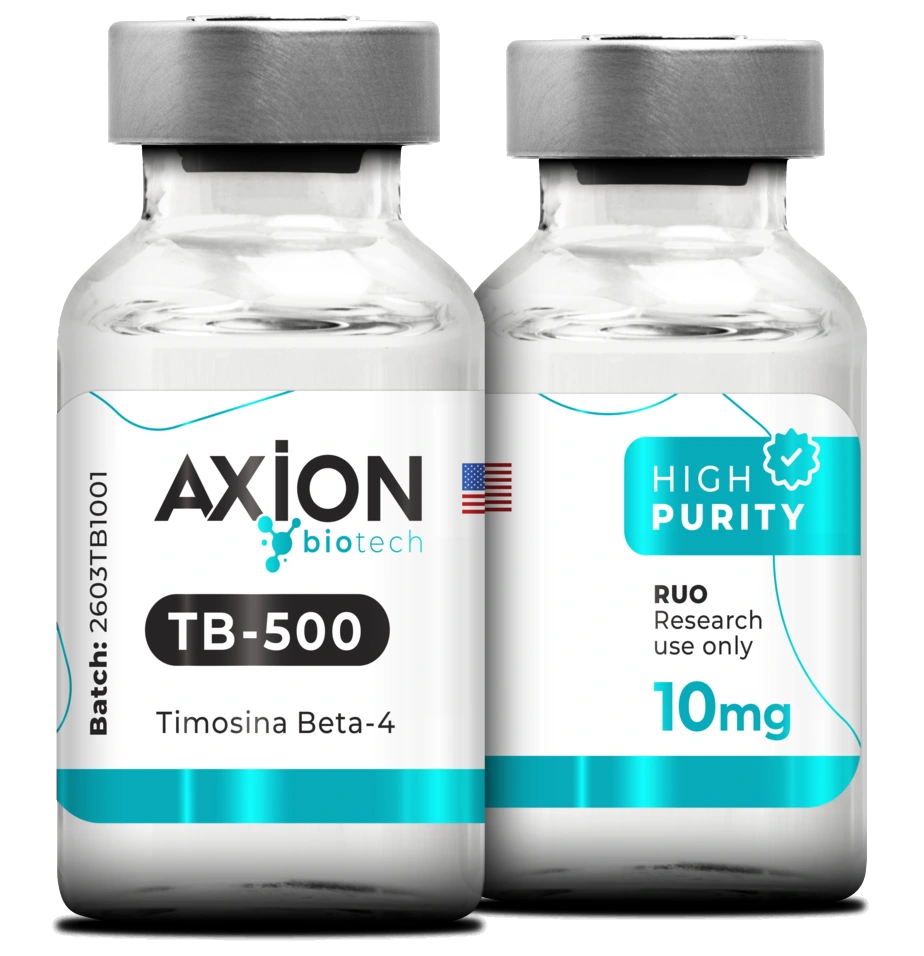
TB-500
TB-500 is a synthetic heptapeptide corresponding to positions 17-23 of Thymosin Beta-4, a naturally occurring protein encoded by the TMSB4X gene and found in virtually all nucleated mammalian cells. As…
View molecule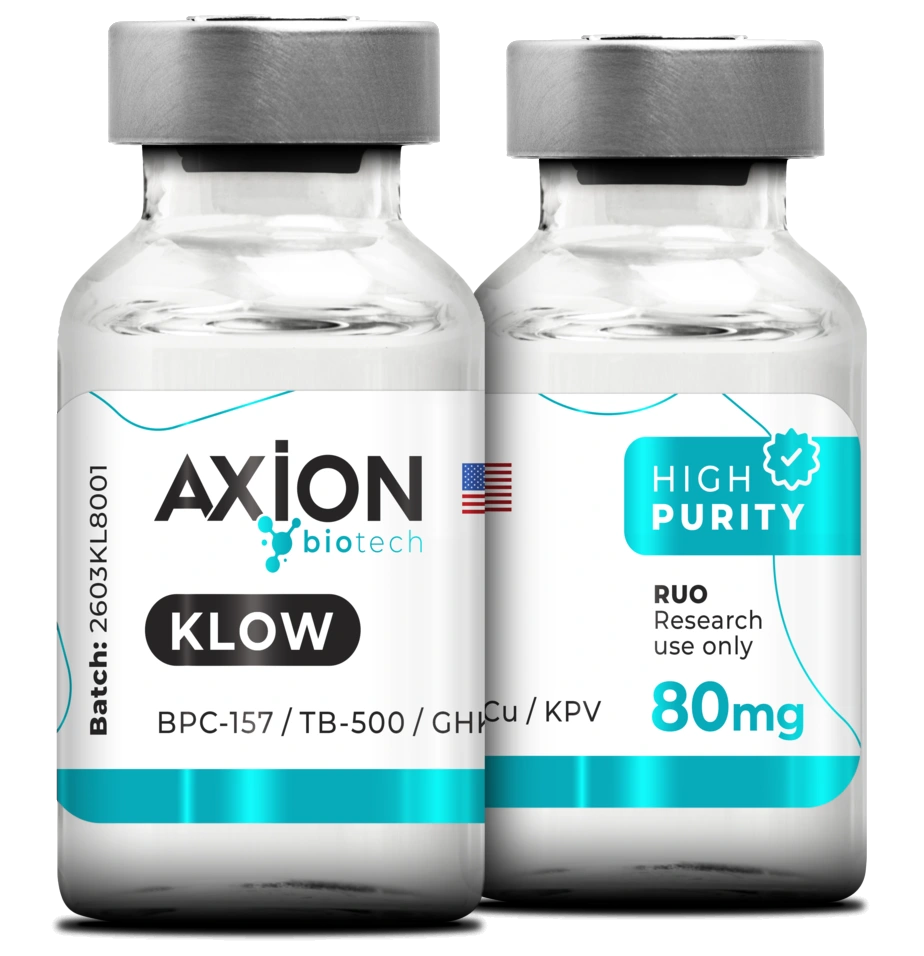
KLOW Blend
The KLOW Blend is a four-component research formulation within AXION's Regenerative System. It is not a supplement and not a protocol. It is a research design decision: a single vial…
View molecule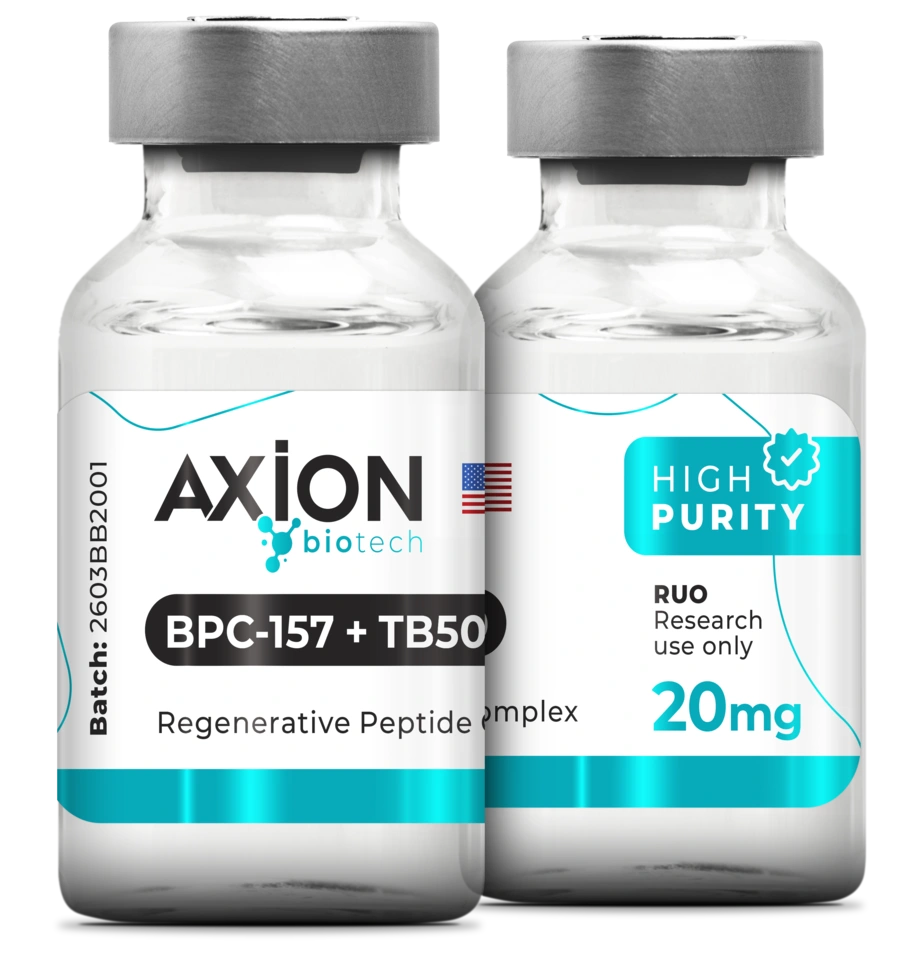
BPC + TB Blend
The regenerative cascade is not a single event. It unfolds in phases, and each phase has distinct limiting factors. The BPC + TB Blend is built on this observation: two…
View molecule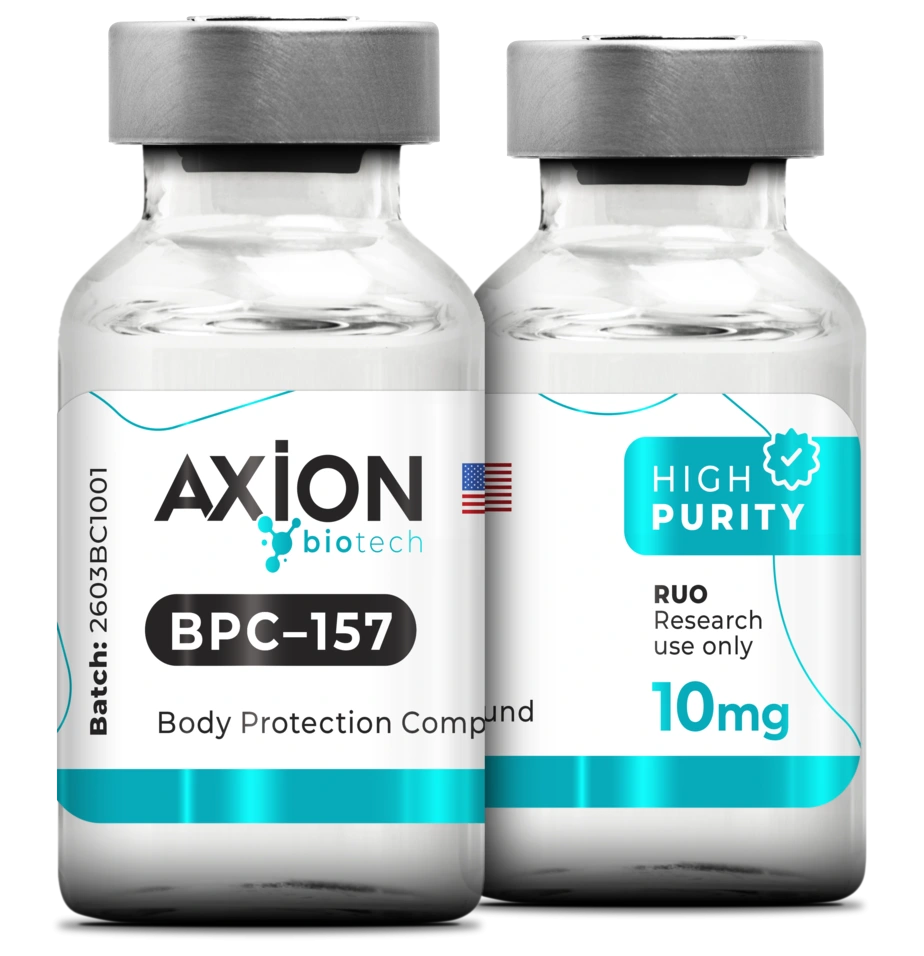
BPC-157
BPC-157 is a synthetic pentadecapeptide derived from a sequence found in human gastric juice. Composed of 15 amino acids, it belongs to AXION's Regenerative System, a research compound cluster organized…
View molecule
Related Articles - Research Library Explore the Science Behind This System
The Research Library provides in-depth editorial coverage of the mechanisms, evidence, and investigative directions relevant to this system. Each article connects to one or more related compounds in the AXION catalog.
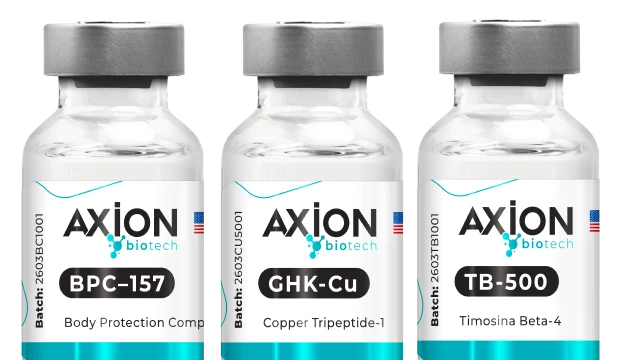
GHK-Cu (Copper Tripeptide-1) is supplied by AXION Biotech exclusively for research purposes. This compound is not approved by the FDA, ANVISA, or any regulatory agency for human or veterinary use. No therapeutic claims are made or implied. All scientific data referenced on this page derives from preclinical (animal / in vitro) models or limited pilot studies unless explicitly stated otherwise.