Biological
Systems
The human organism does not operate through isolated systems. It operates through overlapping signaling networks that amplify and feed back on each other continuously.
The six biological systems in the Axion portfolio are not arbitrary categories. They are functional regions of an integrated biological architecture:
- the Mitochondrial Energy System defines the ceiling of available biological capacity;
- the GH Axis and Metabolic Regulation Systems amplify and regulate that capacity;
- the Neural & Cognitive System coordinates central homeostasis;
- the Reproductive & Sexual Health System connects to this network through the hypothalamus and metabolic state signals;
- and the Regenerative System operates as an interface across all others.
Researching one system without considering its position in the network is studying a node without the graph.

Six systems.
One framework.
Human biology operates through interconnected systems.
The AXION catalog is organized around them.
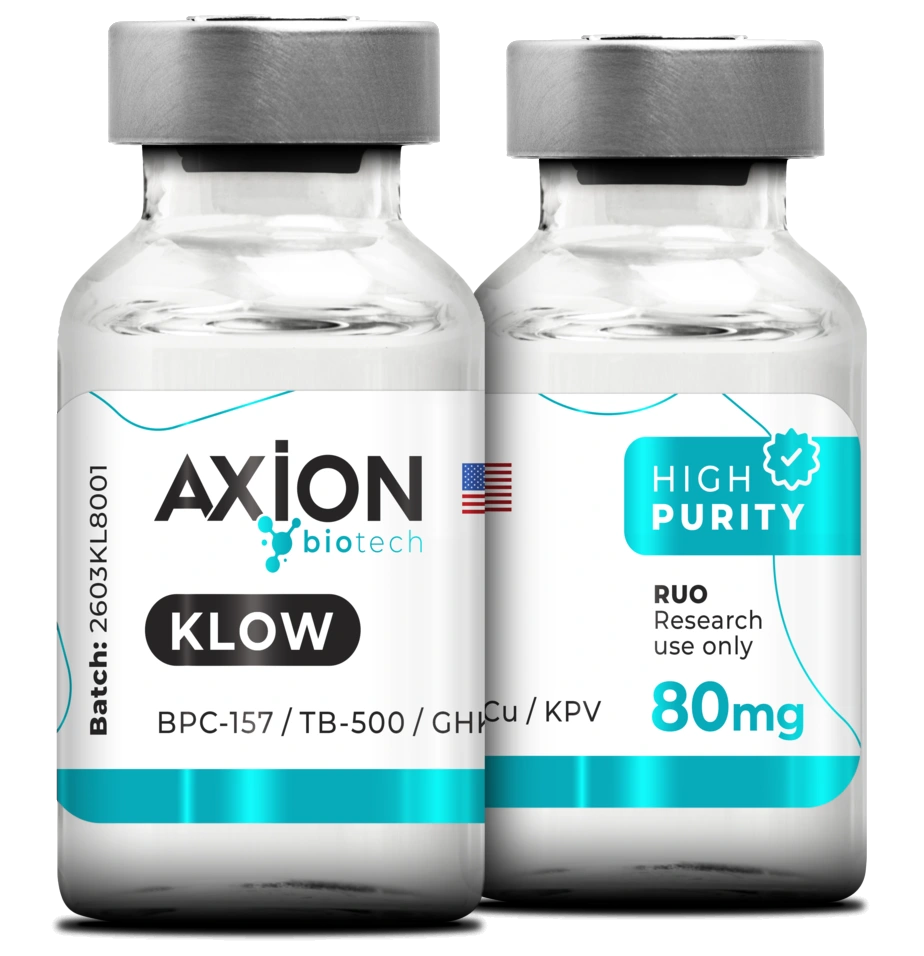
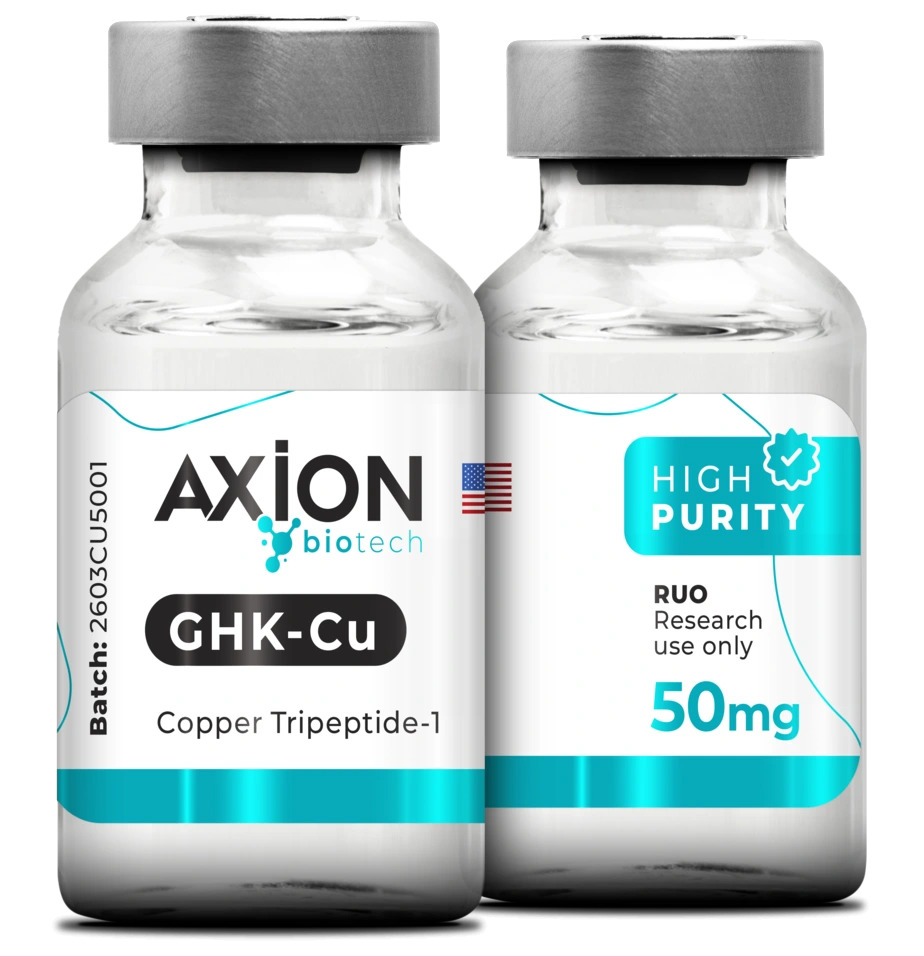
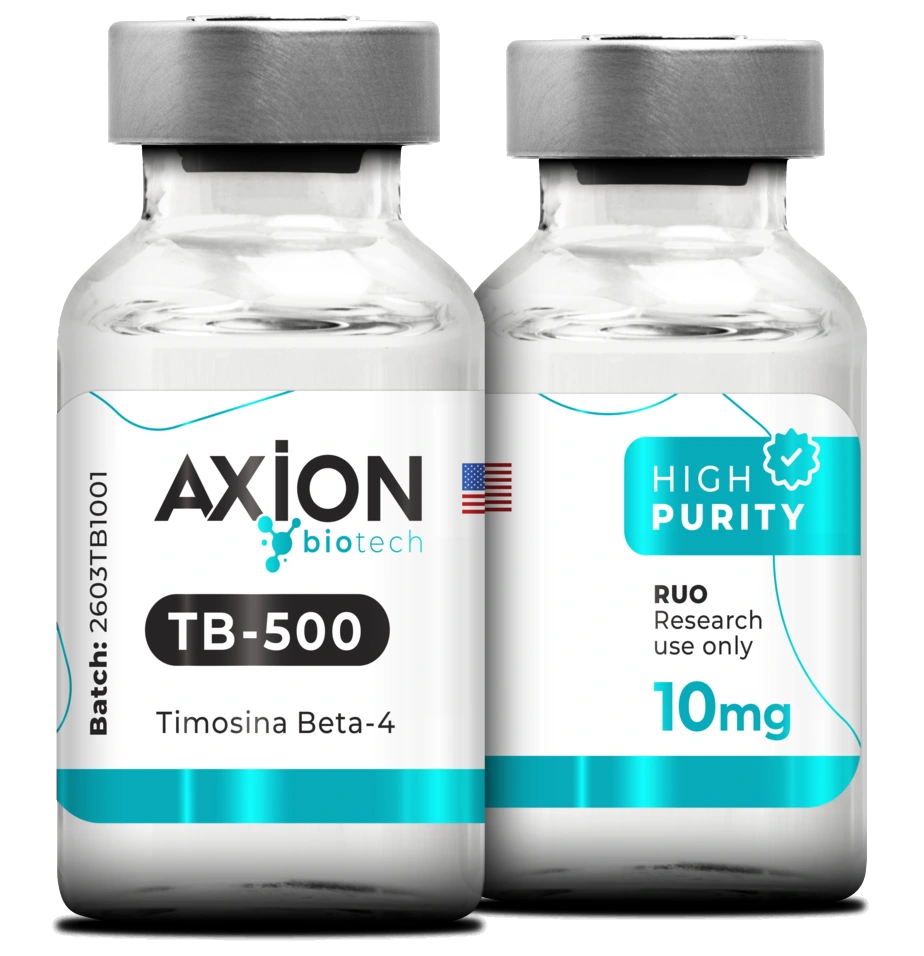
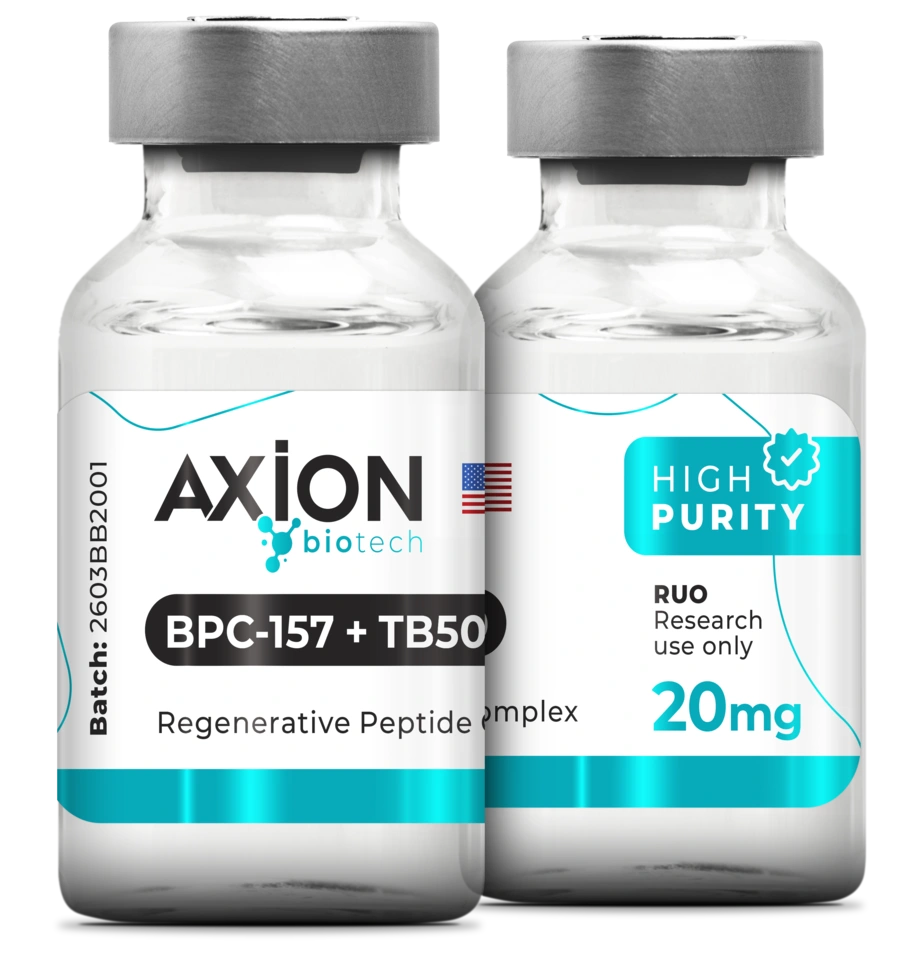
Investigated as a tissue-repair signaling system. The literature explores angiogenesis, extracellular matrix remodeling, mitochondrial protection against oxidative stress, and regeneration of soft tissue, tendons, and mucosal surfaces. BPC-157 and TB-500 are studied in preclinical models of musculoskeletal regeneration and neuroprotection; GHK-Cu is investigated for regulation of over 4,000 human genes, including neurotrophic (NGF, BDNF) and anti-inflammatory pathways, with documented functional connections to the Neural & Cognitive System.
Explore the system
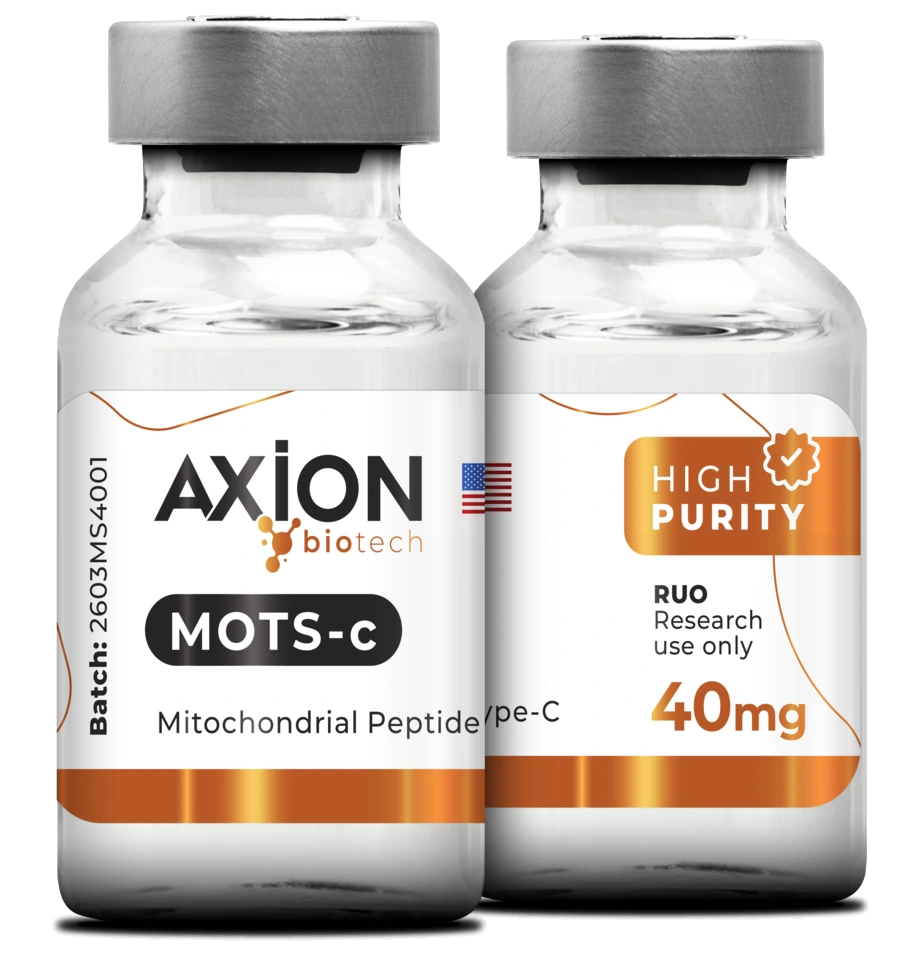
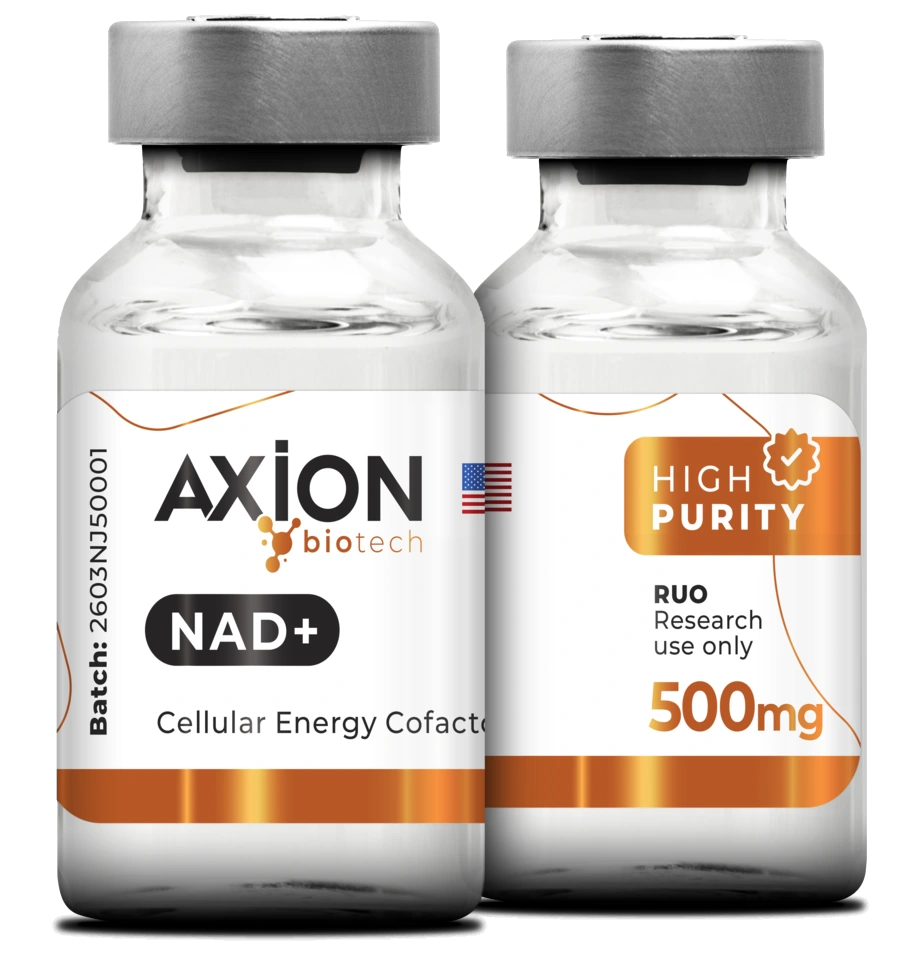
Investigated as a mitochondrial quality-control system: biogenesis, mitophagy, ATP production via the respiratory chain, and regulation of intracellular oxidative stress. MOTS-c and SS-31 are studied as modulators of mitochondrial function with effects investigated in insulin sensitivity and adipose metabolism, positioning this system as upstream of the Metabolic Regulation System. NAD+ is researched for both its mitochondrial role and its neuronal signaling mechanisms via sirtuins, generating intersection with the Neural & Cognitive System.
Explore the system
Investigated as a systemic energy-balance control system: regulation of insulin, glucagon, GLP-1 and GIP, adipogenesis, and glucose and lipid homeostasis. Retatrutide, Tirzepatide, and Semaglutide are studied as incretin receptor agonists with broad metabolic effects. 5-Amino-1MQ is investigated for NNMT inhibition with direct impact on adipogenesis. The literature also explores emerging connections between GLP-1 receptors and central neuroprotection generating research intersection with the Neural & Cognitive System.
Explore the system
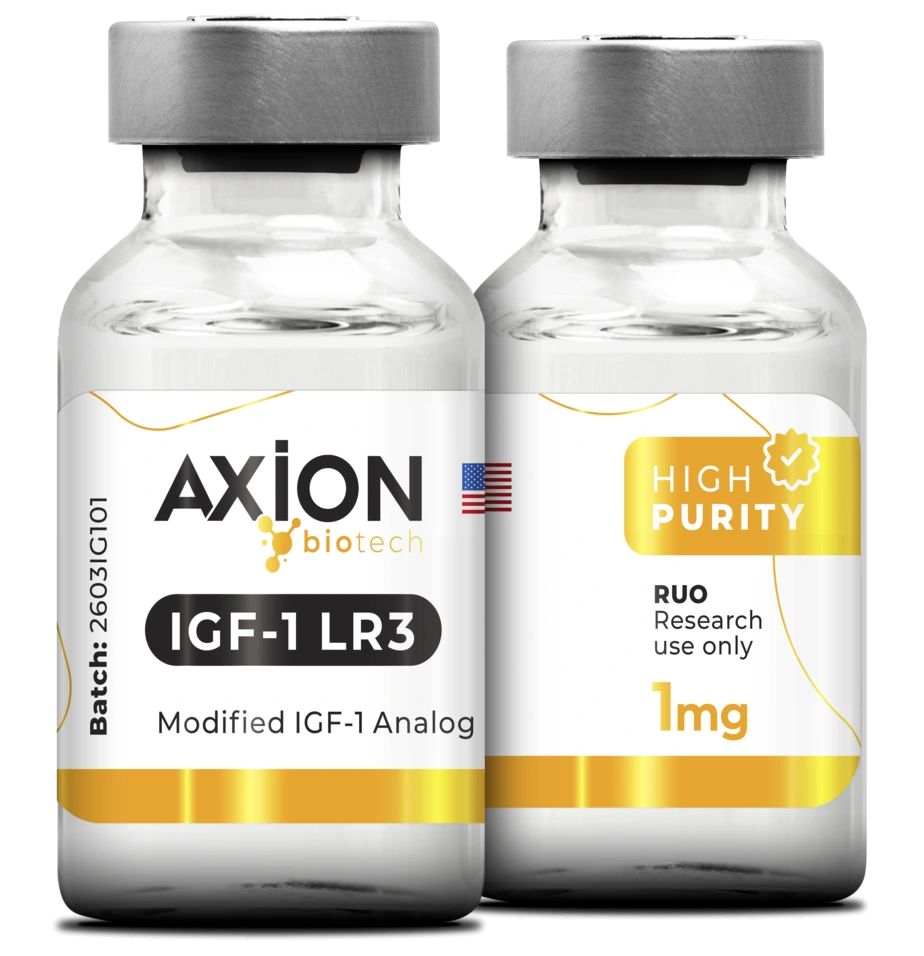
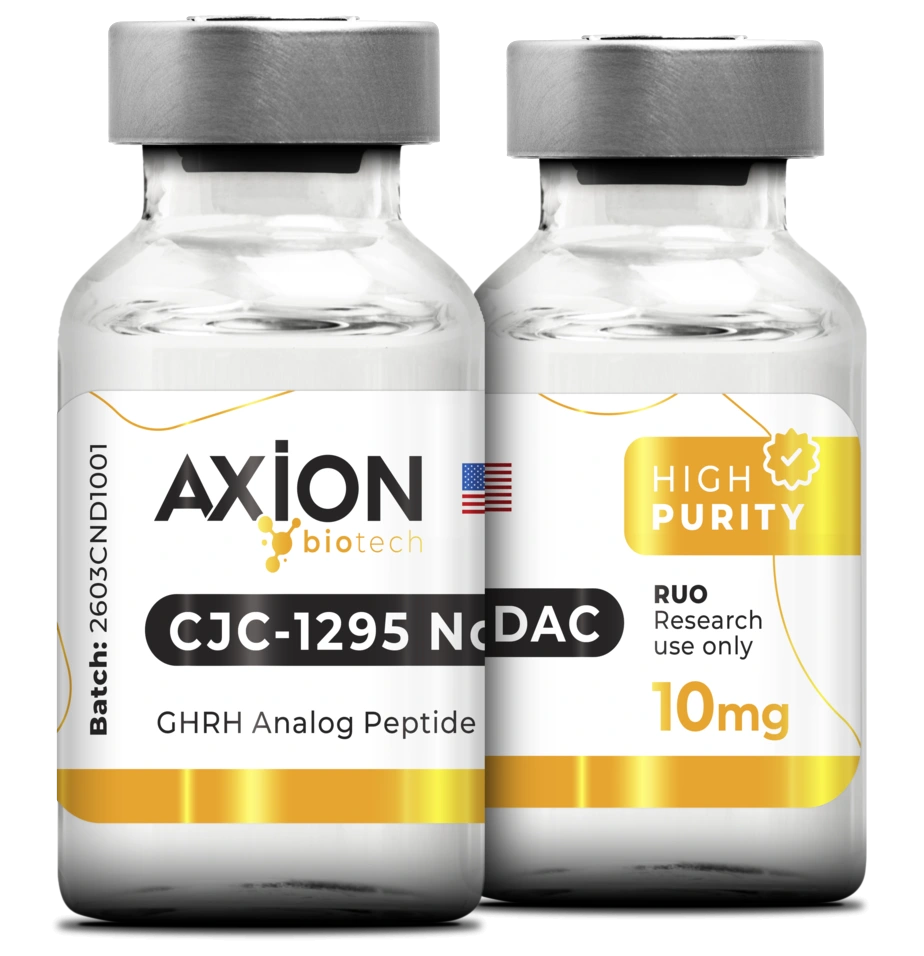
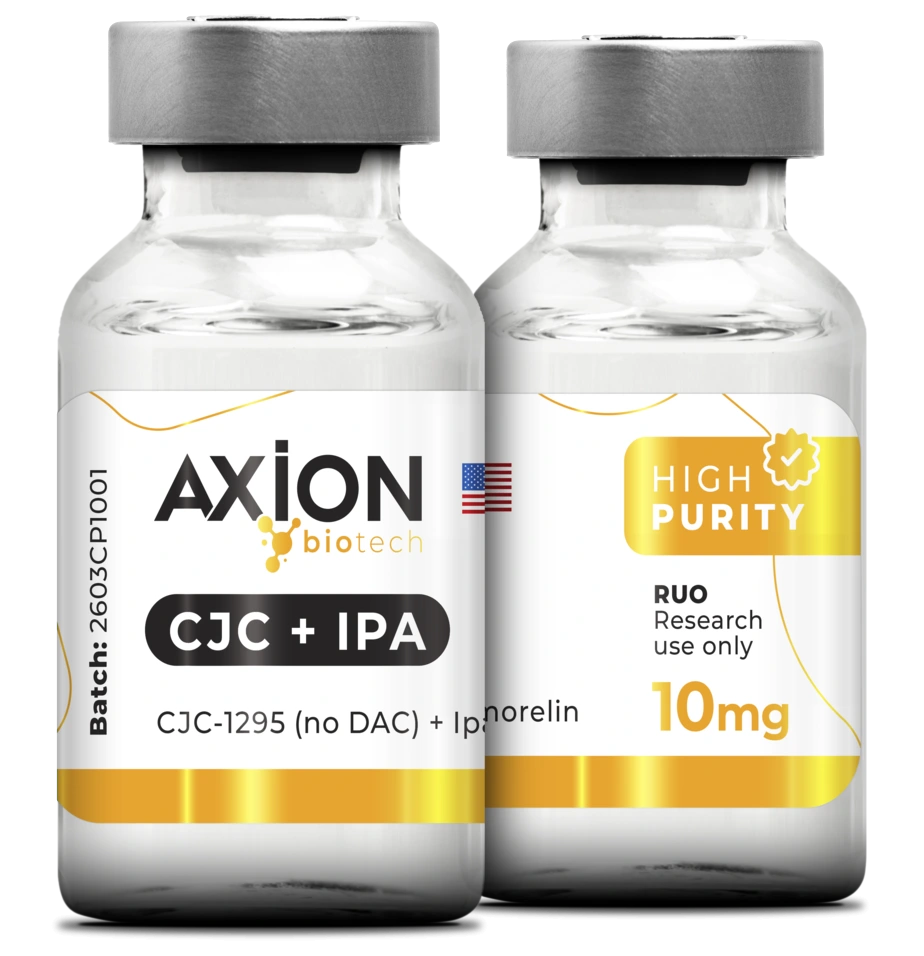
Investigated as an anabolic signaling axis: regulation of somatic growth, protein synthesis, bone remodeling, and body composition via GH, IGF-1, and their hypothalamic secretagogues. CJC-1295, Ipamorelin, and Sermorelin are studied as secretagogues that modulate the physiological pulsatility of GH. Research documents that IGF-1 directly regulates mitochondrial biogenesis via PI3K/AKT, connecting this system to the Mitochondrial Energy System and making it a central amplifier of biological capacity.
Explore the system
Investigated as a neurotrophic and neuroendocrine modulation system: BDNF and NGF expression, synaptic neuroplasticity, GABAergic and dopaminergic regulation, and neuronal protection against ischemia and oxidative stress. Semax is studied for BDNF upregulation via TrkB/PI3K/AKT and MAPK/ERK pathways; Selank is investigated for GABAergic modulation and HPA axis normalization. The hypothalamus, where this system converges, is also the anatomical node where metabolism, reproduction, and the GH axis are co-regulated.
Explore the system
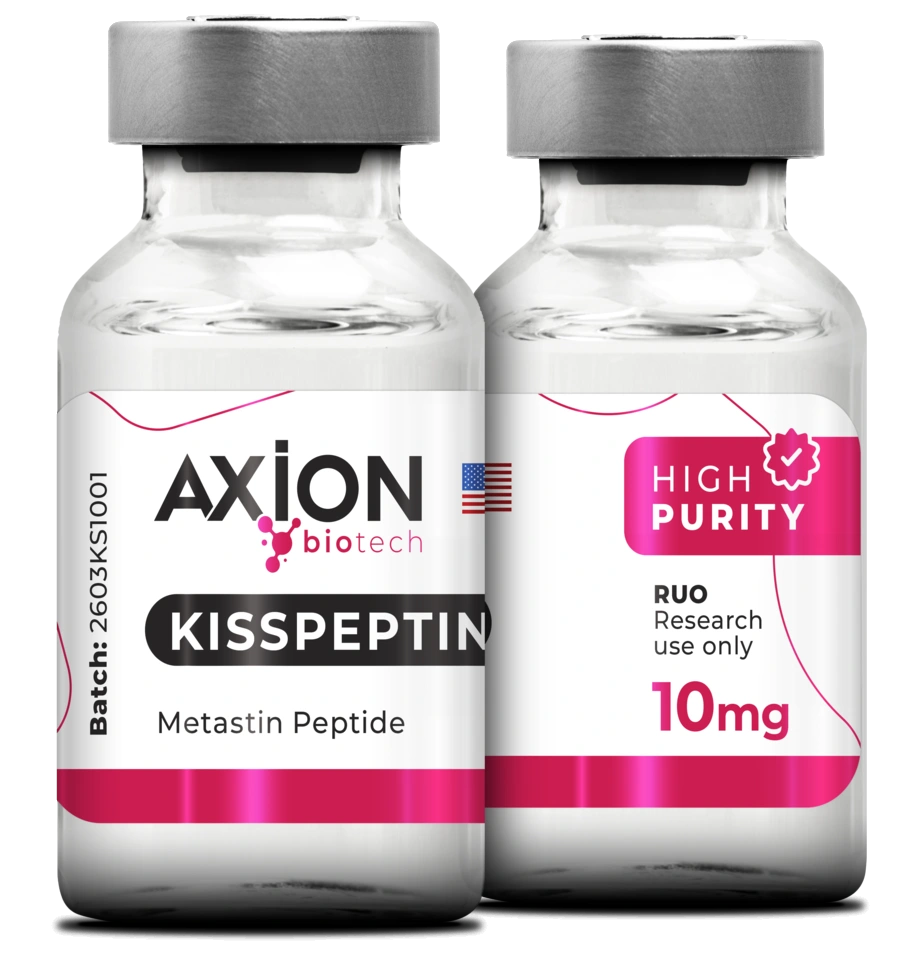
Investigated as a system regulating the hypothalamic-pituitary-gonadal (HPG) axis: GnRH control, gonadotropins, sexual behavior, and centrally mediated arousal signaling. PT-141 is studied as a central MC3R/MC4R agonist, a mechanism distinct from peripheral vasodilators. Kisspeptin is investigated as a modulator of GnRH pulsatility and as an integration point between metabolic state and fertility, connecting this system directly to the Metabolic Regulation System.
Explore the system
Compounds The compounds within each system
Compounds available on the platform are organized within the context of the biological systems they are associated with. This structure avoids isolated analysis of molecules and allows their role within broader physiological processes to be understood.
The result is a more coherent reading, especially in research contexts where understanding the system is as relevant as the compound itself.
Each compound is accessible through its individual system page. Access to the catalog is structured, not open by default.